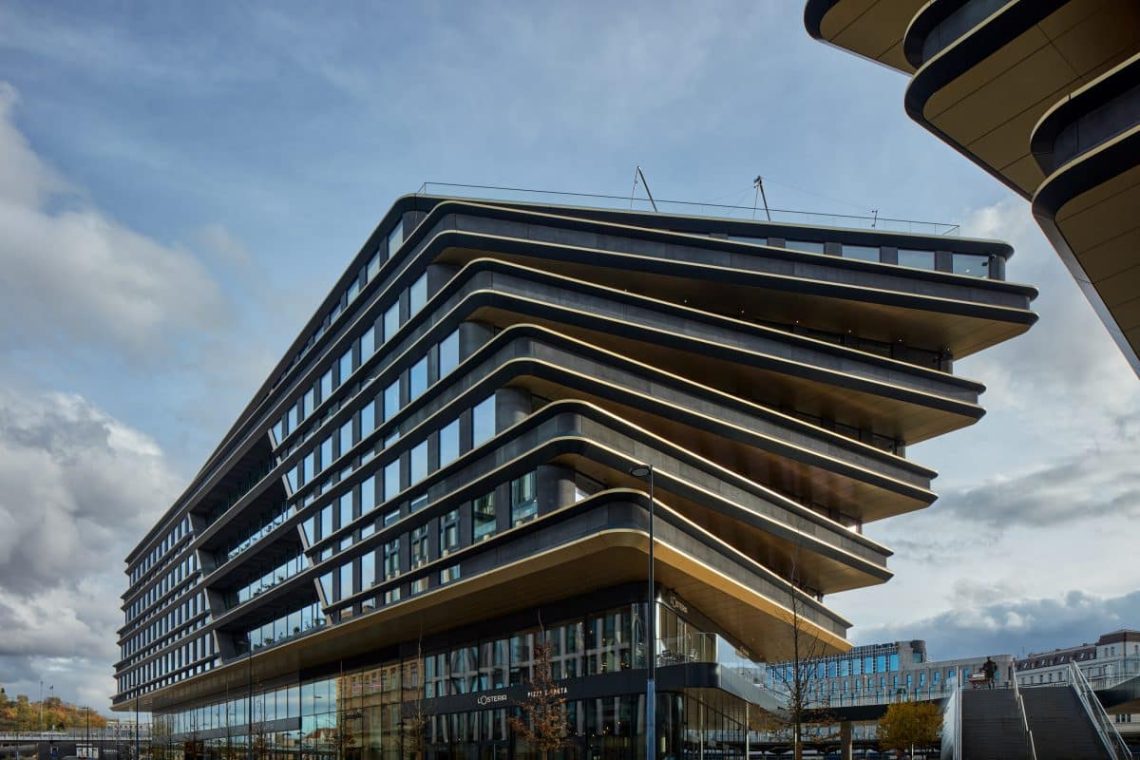
Businesses change. Change does not move at one speed. Sometimes it takes years. Sometimes it shows up all at once. Teams grow. Services adjust. And the way a space works today rarely matches how it will be used a few years from now. Architecture sits right in the middle of that change. A commercial building can either support it quietly or fight against it every step of the way. When owners stop to learn more about flexible architectural thinking, they often realize the building itself can make daily operations easier or harder.
Practical architecture is not about predicting the future perfectly. It is about accepting that change will happen and preparing space to handle it without stress. The most comfortable commercial buildings are the ones that do not feel rigid. They feel ready.
Designing for flexibility from the start
Flexibility does not begin after construction. It begins on paper. Early planning decisions decide whether a space can evolve or stay stuck.
Buildings designed only for current needs often feel efficient at first. But once teams expand or workflows change, those same spaces become tight and frustrating. Flexible architecture allows rooms to shift roles naturally. Offices become meeting areas. Shared zones expand without disruption. The building grows with the business instead of resisting it.
Choosing layouts that avoid early limitations
Some layouts look neat but fail in real use. Narrow corridors. Fixed room sizes. Poorly placed service zones. These choices lock businesses into patterns that no longer fit.
Practical architecture favors breathing room. It allows people to move without congestion. It supports different work styles without forcing redesigns. When layouts stay open to interpretation, businesses gain freedom rather than restriction.
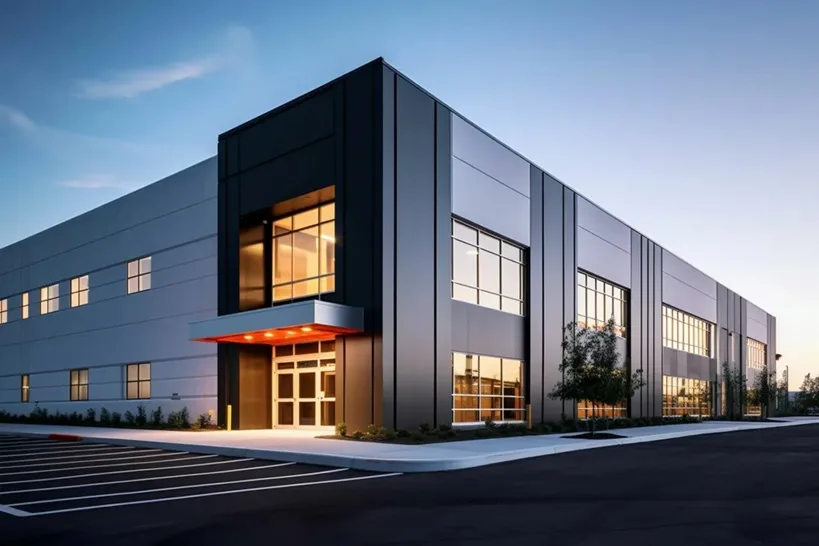
Maintenance considerations that affect longevity
A practical building must age well. Materials that wear poorly or systems that are hard to access turn small issues into major interruptions.
Durable finishes. Logical service access. Simple maintenance paths. These choices protect long term usability. When buildings stay easy to maintain, teams stay focused on work rather than repairs. Stability becomes part of daily life.
Long term thinking in commercial architecture decisions
Architecture lasts longer than strategies and staffing plans. Decisions made early shape decades of daily routines.
When owners take time to learn more about long term architectural planning, priorities shift. Quick visual impact becomes less important than adaptability and reliability. The building becomes a steady presence instead of a constant project.
Commercial buildings planned with long term thinking feel calm. They do not fight change. They accept it. Teams settle in faster. Adjustments feel natural. Confidence grows because the environment supports progress instead of slowing it down.